 Ashley Marie
Weigh everything twice
Olive, coconut, tallow, shea — the oil blend decides how hard the bar sets and how the lather feels. Lye is weighed to the gram, because cold-process soap is unforgiving of a rounded number.
By scent
Citrusbright, short-lived Florallavender, rose, wildflower Herbal & mintcooling, for the morning Earthycharcoal, pine tar, salt Milk & honeythe gentlest recipesBy product
All bars34 cold-process scents Sets & giftsthe cheapest way in Body & balmtallow, butter, serum Everydaytooth powder, deodorant Accessoriesdishes and saversWays in
Scent quizfive questions, one bar Soap Cluba standing delivery How it is madeoils, lye, water, time Everythingthe whole catalogue The Soap Club
Three or five bars, on your schedule. Skip any time.
See the plans
The Soap Club
Three or five bars, on your schedule. Skip any time.
See the plans
The making
There is no machine in this. A batch is measured, poured, swirled and cut by one person, then left alone on a rack until it is hard enough to sell.
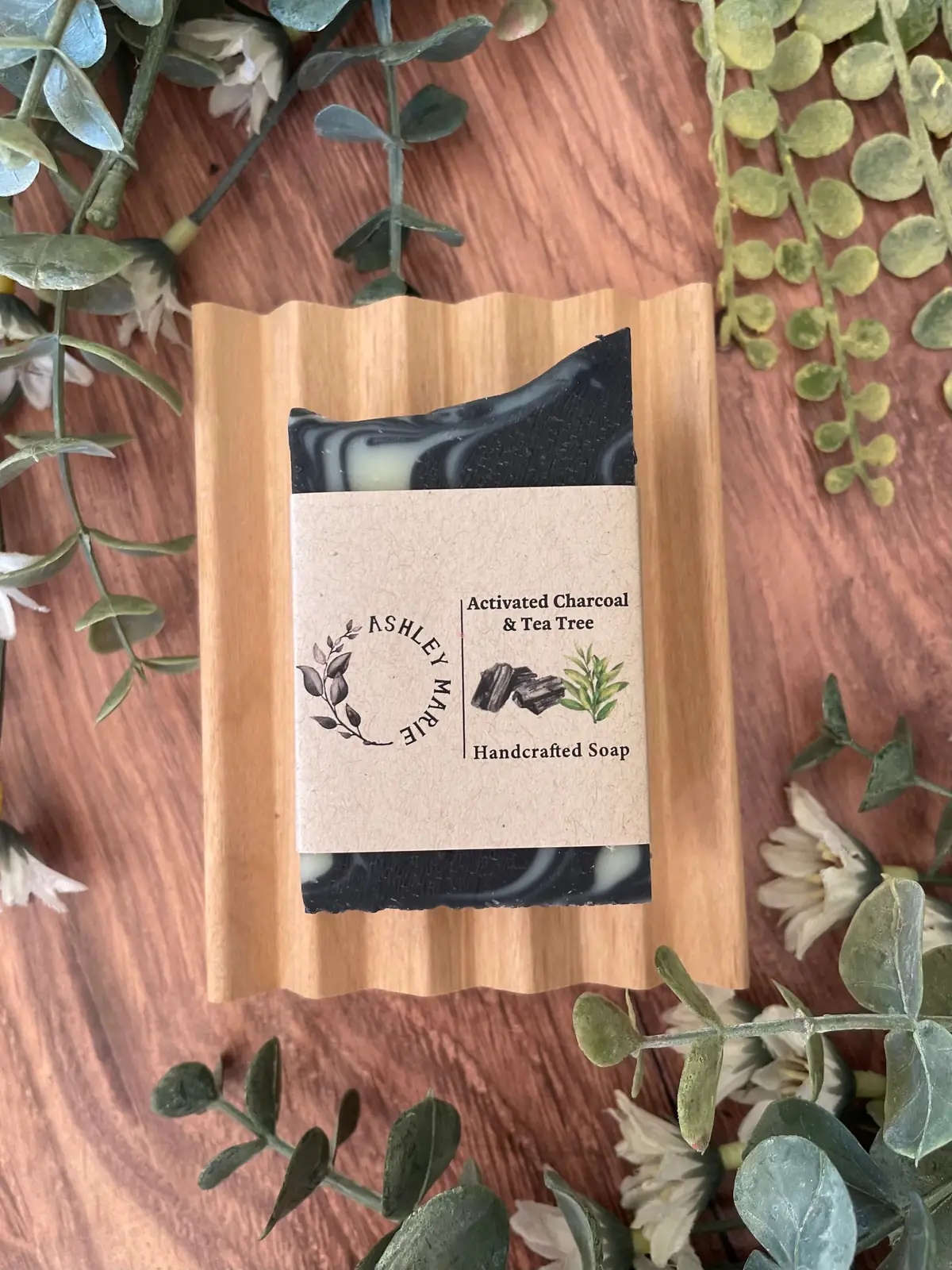
Cold-process soap is a chemical reaction you cannot hurry. Fat plus lye becomes soap plus glycerin, and the reaction keeps going for weeks after the bar looks finished.
That is the whole reason Ashley Marie Soap works in small batches. A batch is limited by what fits in the mould and what fits on the curing rack — not by demand. When a scent sells out, it sells out for as long as the next batch takes.
The upside is that nothing here is a base bought in and re-scented. Each formula is built from the oils up, which is why the tallow bars feel different in the hand from the plant-based ones, and why the same fragrance behaves differently across two recipes.
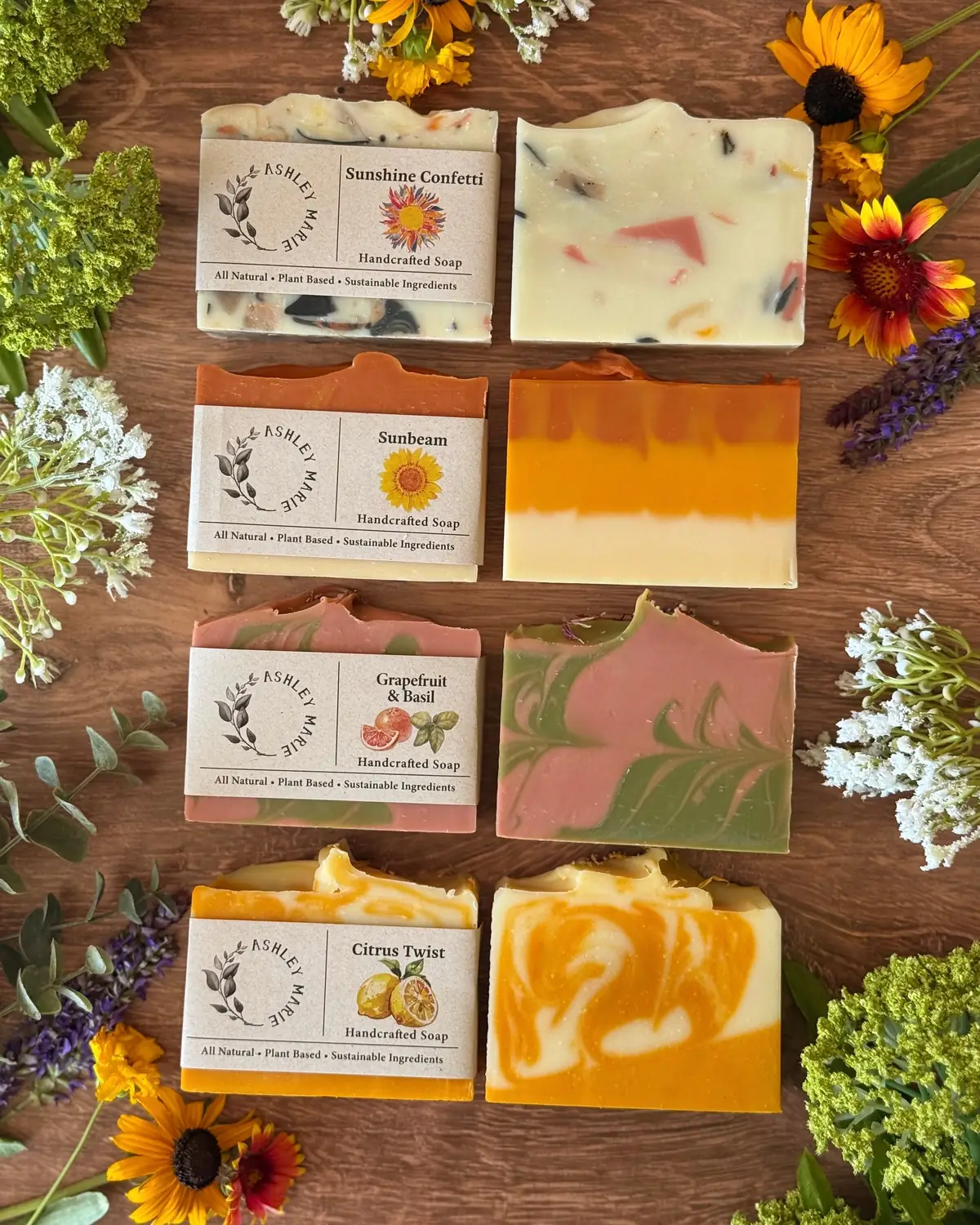
Olive, coconut, tallow, shea — the oil blend decides how hard the bar sets and how the lather feels. Lye is weighed to the gram, because cold-process soap is unforgiving of a rounded number.
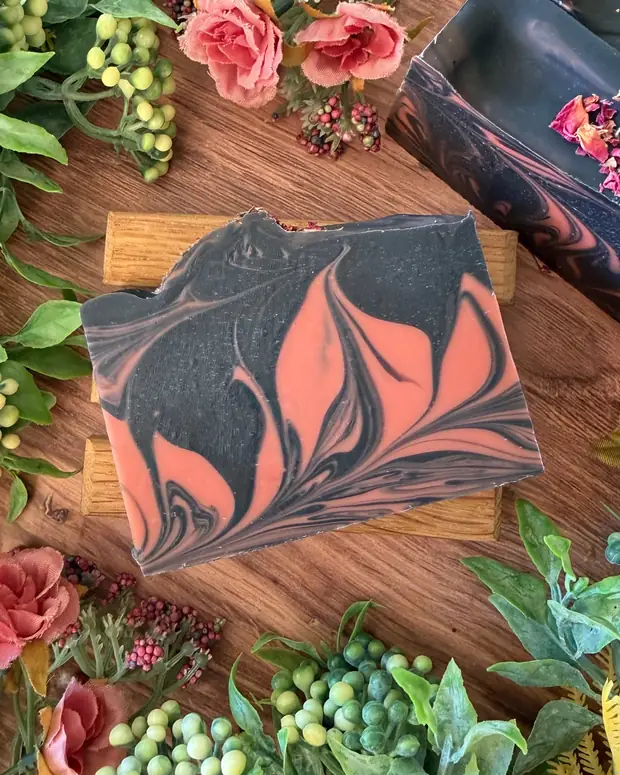
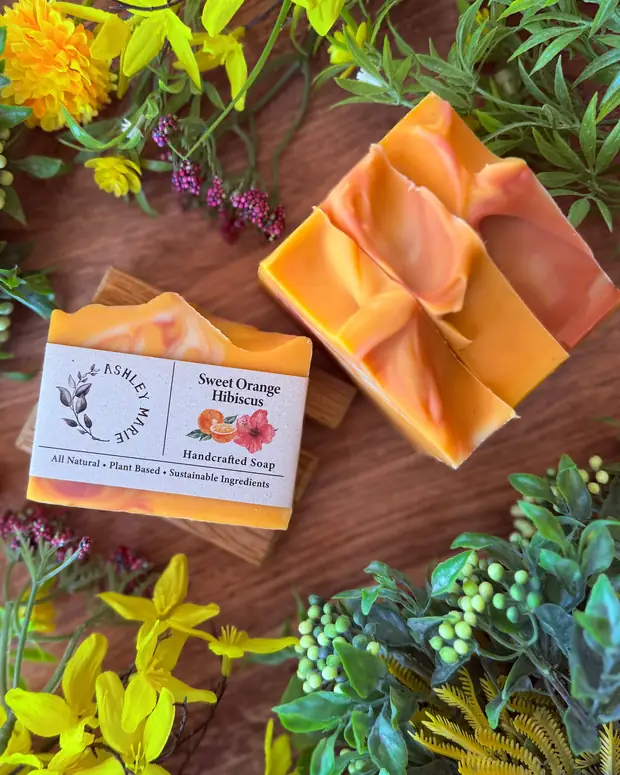
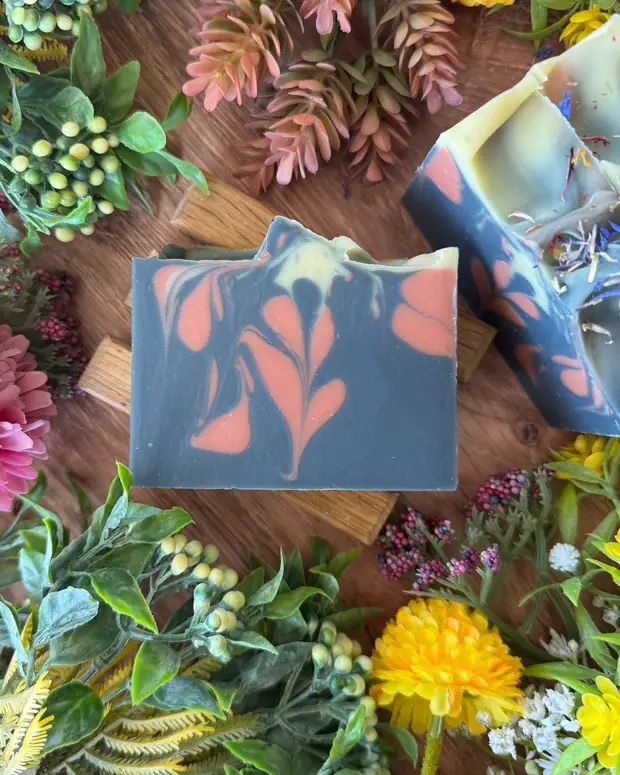
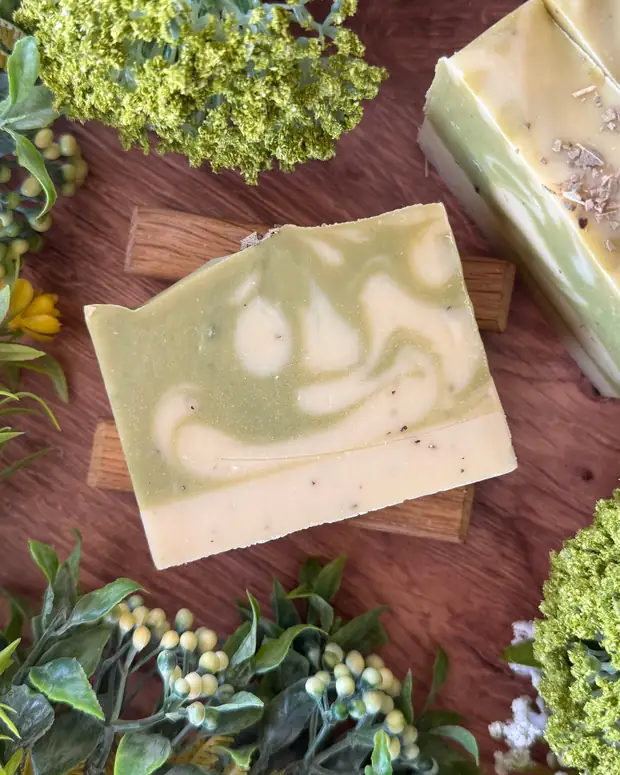
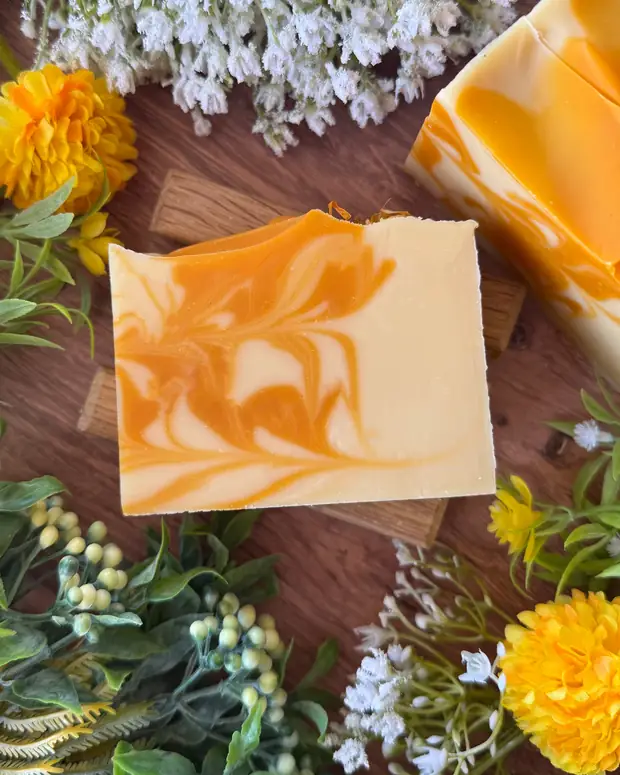
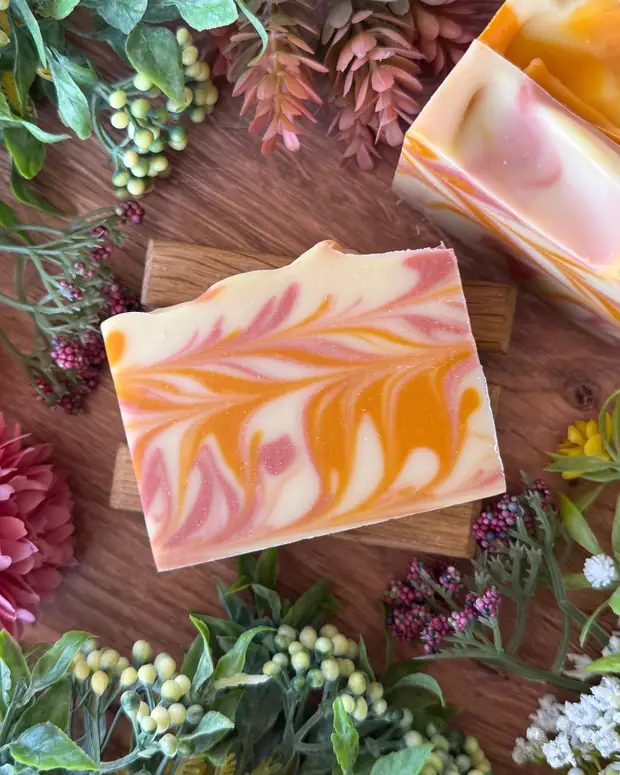
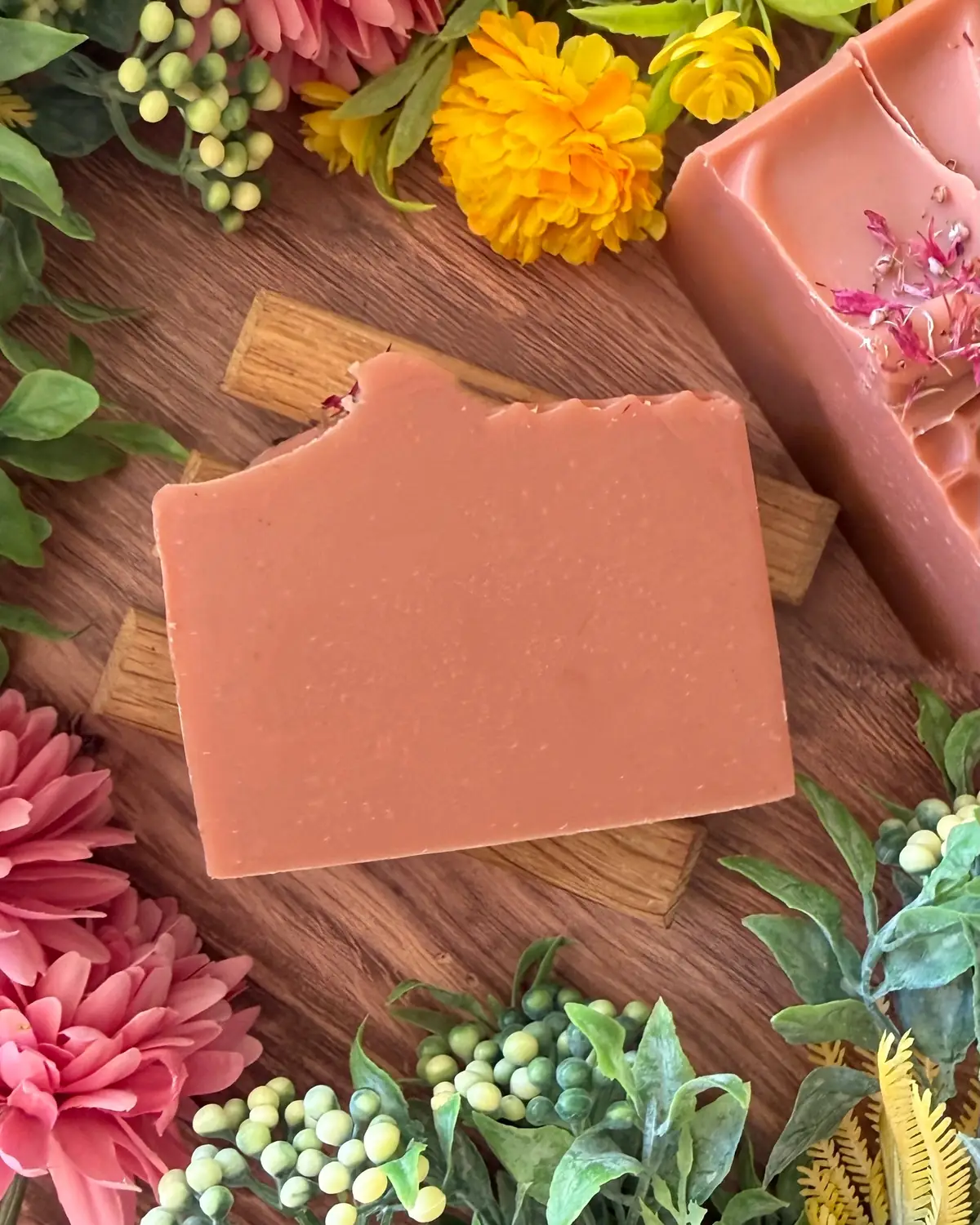
Colour goes in at trace and gets swirled with a stick. It is the least repeatable part of the process, which is why two bars from the same loaf never match — and why the photographs on this site are of actual bars, not renders.
Twenty-four hours under a towel, then the loaf comes out of the mould and gets cut with a wire. End cuts and any bar with a dented corner go to the imperfect pile rather than the bin.
Water evaporates. The bar hardens. The lather turns creamy instead of thin. A bar sold at two weeks would work, and it would also dissolve in your shower in a fortnight — so it waits.
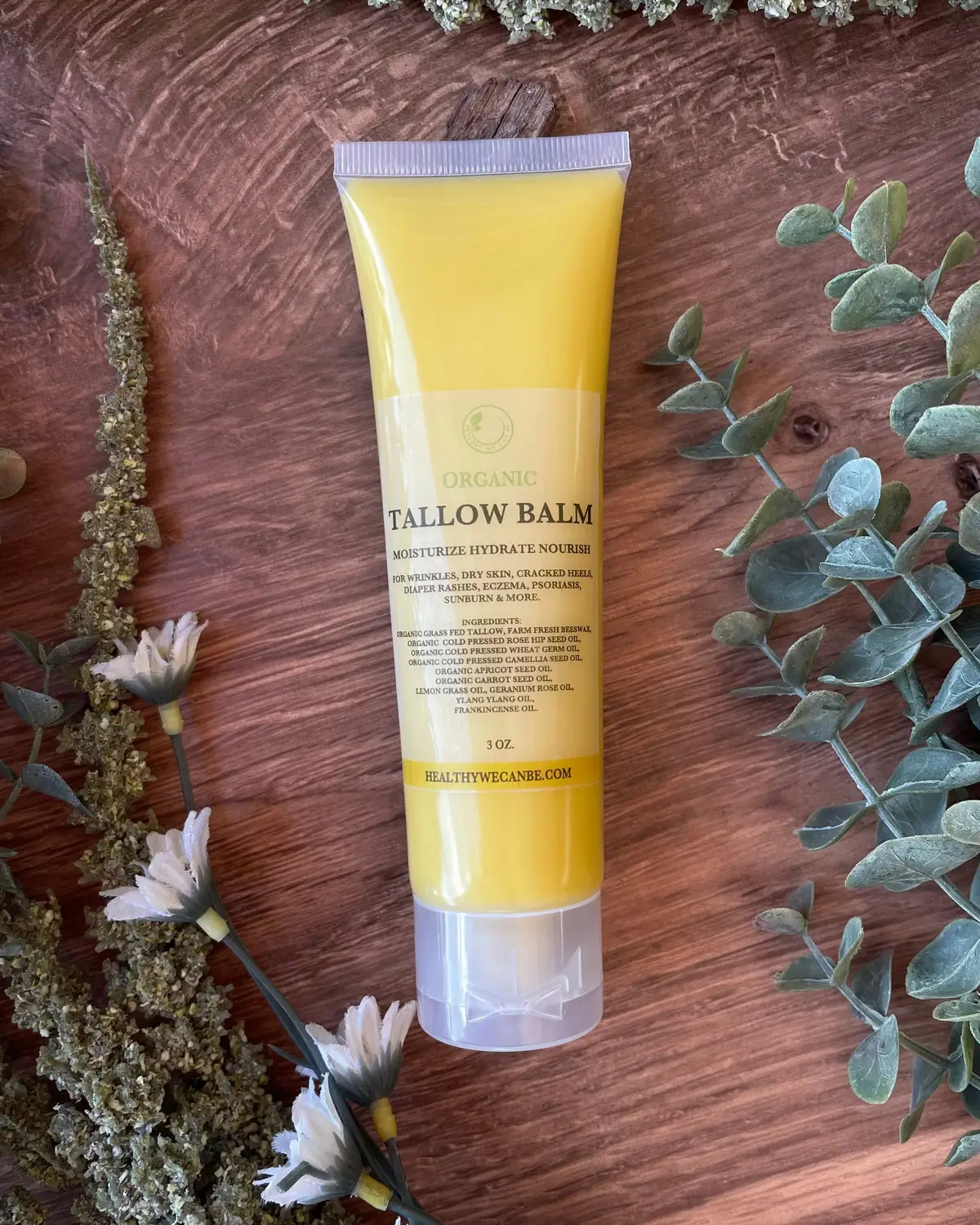
Several bars, the balm and the lotion bar are built on rendered tallow. It is an unfashionable ingredient with a long record — it sets a hard bar, it lathers creamy rather than squeaky, and its fatty-acid profile is close to what skin already makes.
There are plant-based bars here too, clearly marked. Neither is the “right” one; they suit different skin.
Skin and bodyDented corners, scuffed labels, odd end cuts. Same oils, same cure, same bar — sold cheaper rather than thrown out.
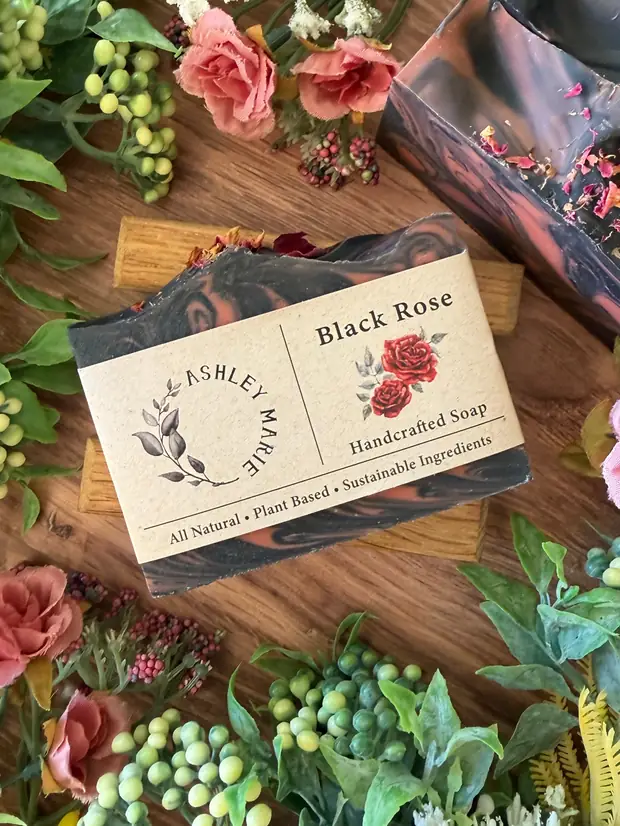
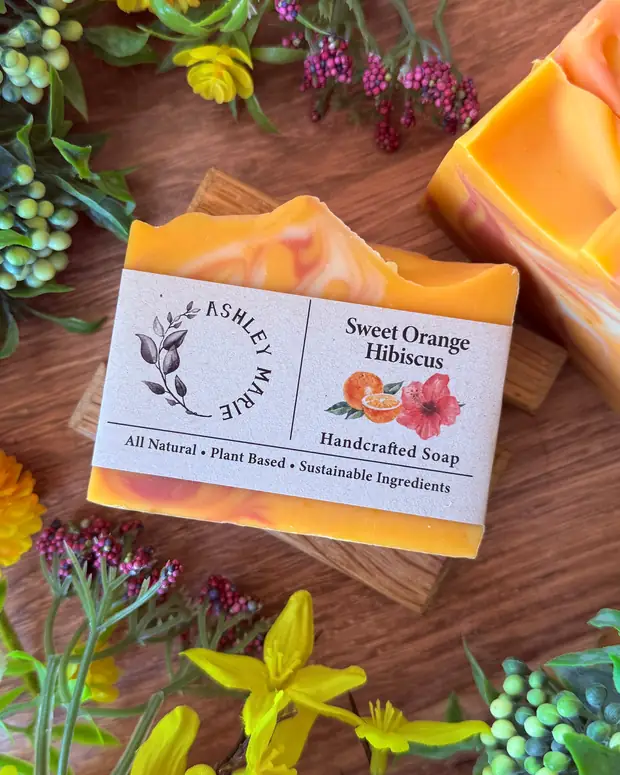
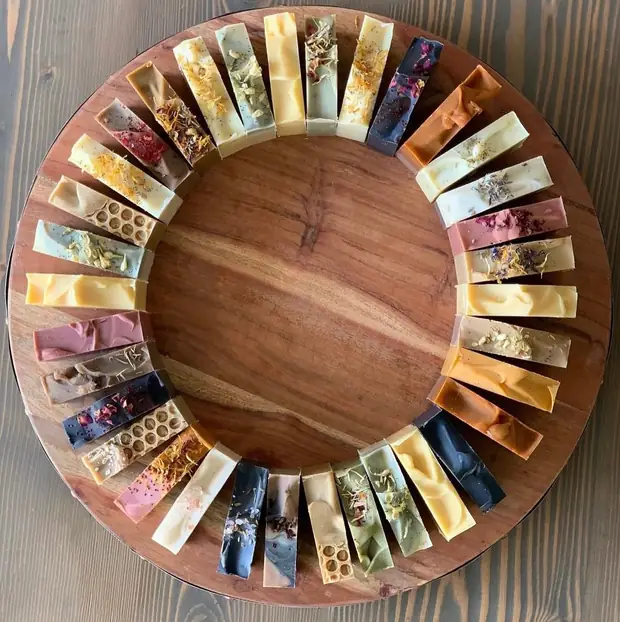
A rolling window on the rack. If something is missing from the shop, this is usually where it is.
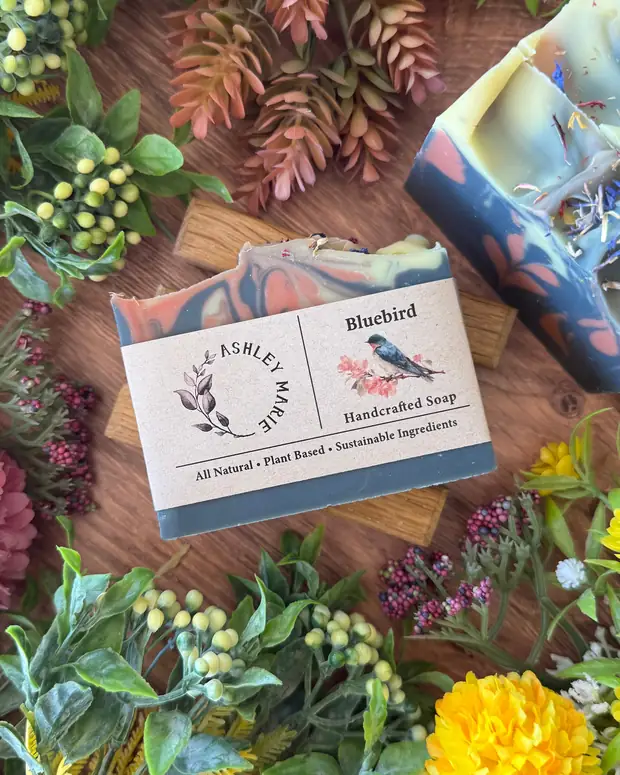
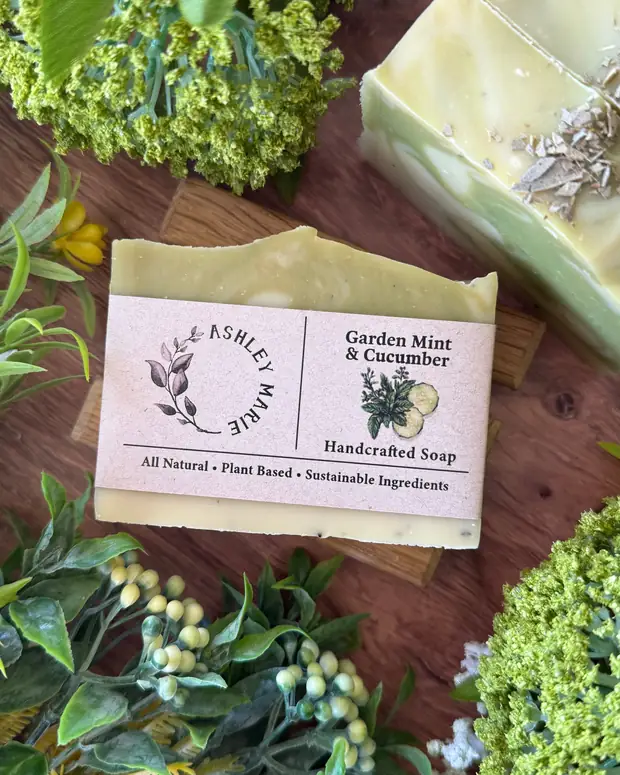
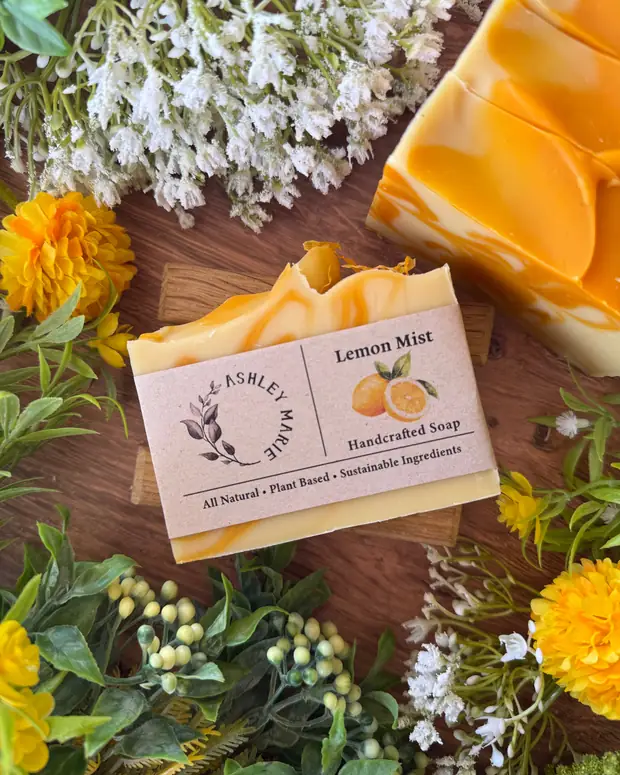
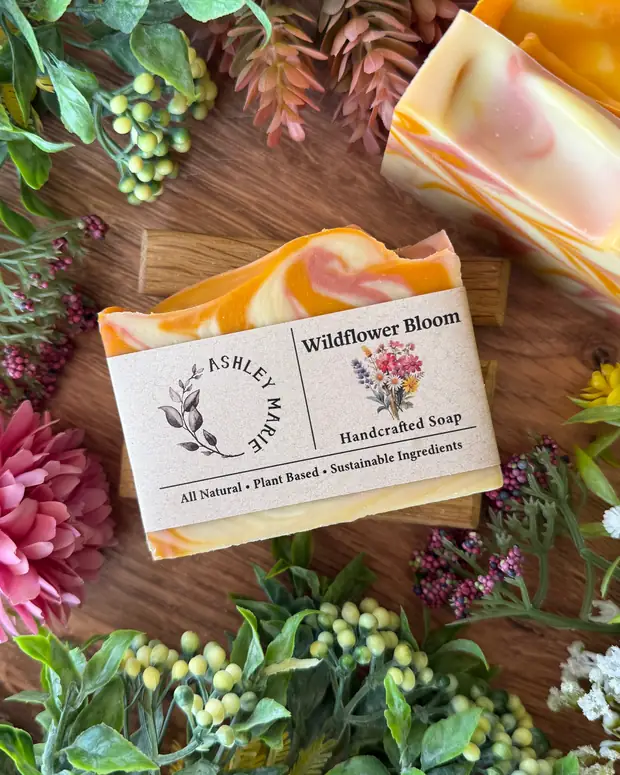
This page reconstructs the process from the product copy and photography in the catalogue. Replace it with Ashley’s account in her own voice — why she started, what she made first, what she still cannot get right — before it goes live.
Cold-process soap is soap made by mixing fats or oils with a lye solution and letting saponification finish at room temperature over several weeks, instead of applying heat to speed it up. The finished bar contains no lye — it is fully converted into soap and glycerin. The US Food and Drug Administration defines soap by that composition rather than by marketing claims.
Curing lets water evaporate out of the bar. A freshly cut bar is soft and high in water; after four to six weeks on a rack it is hard, the lather is creamier, and it lasts far longer in a wet shower. The reaction cannot be hurried, which is why Ashley Marie Soap sells out of a scent for as long as the next batch takes.
Tallow soap is made with rendered beef fat; plant-based soap uses oils such as olive, coconut or shea. Tallow sets a harder bar with a creamier, lower lather and a fatty-acid profile close to human sebum. Plant-based bars built on coconut oil lather bigger and faster but can feel more stripping. Neither is better — they suit different skin, and Ashley Marie Soap makes both, labelled.
The honest answer is that it depends on what the commercial bar is. Many supermarket “beauty bars” are synthetic detergents, not soap, and have the glycerin removed and sold separately. Cold-process soap keeps its glycerin. That is a real difference in composition, not a claim about outcomes.
Ashley Marie Soap is made in La Verkin, Utah, by one person in a home workshop. Batch size is limited by what fits in the mould and on the curing rack, not by demand.
Definition of soap per the US Food and Drug Administration.